
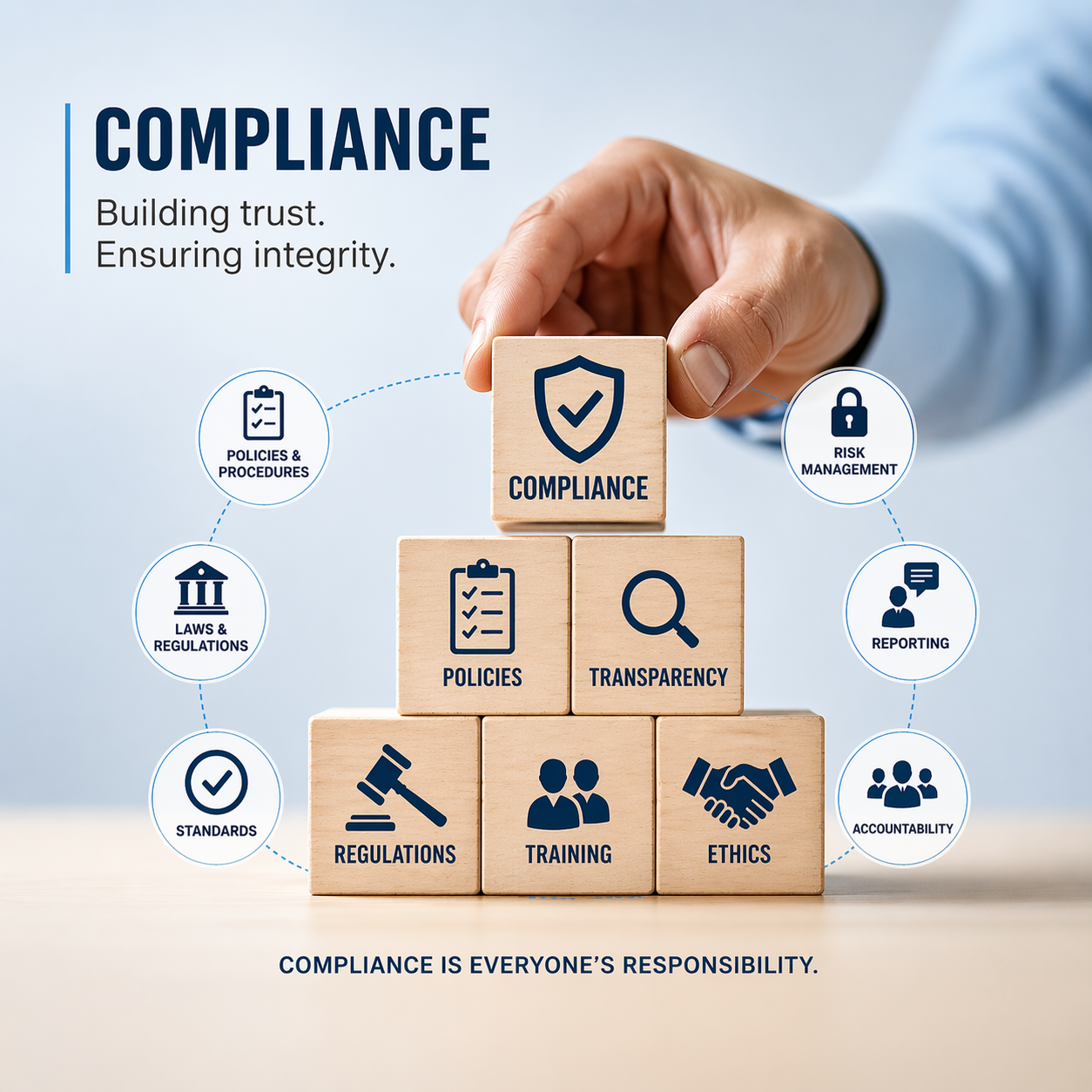
1. The Compliance Trap: From Cost Center to Value Driver
For most SMEs and enterprise leaders, the mere mention of regulatory compliance triggers “compliance fatigue”—the sense that security is a relentless cycle of administrative hurdles and arbitrary checkboxes. However, viewing compliance as a static cost center is a strategic error that leaves both capital and reputation at risk. In an era where trust is the primary currency of the digital economy, reactive security is no longer a viable defense; it is a liability.
DSG Solutions GmbH operates at the critical intersection of strategic advisory and technical operational reality. We don’t just design frameworks; we bridge the gap between high-level governance and the rigorous technical implementation required to survive in today’s threat landscape. The goal is clear: transition your organization from reactive compliance to proactive digital resilience.
2. Resilience Over Registration: Navigating NIS2 and DORA
In a post-NIS2 and DORA world, simply “passing an audit” is a dangerous illusion of safety. A certificate is a snapshot of the past; resilience is a commitment to the future. To remain competitive, organizations must move beyond “audit-readiness” toward sustainable compliance—a state where security is woven into the operational fabric, not bolted on as a temporary project.
Our “Assess, Design, Implement, Improve” lifecycle is designed to convert regulatory pressure into operational efficiency:
- Assess & Design: We move beyond surface-level gap analysis to build governance frameworks that actually reflect your risk appetite.
- Implement: We support the deployment of management systems (ISMS) that satisfy international standards while enhancing workflow.
- Improve: This is the most critical stage. In an evolving regulatory environment, “static compliance” is a failure. Continuous monitoring and regulatory monitoring ensure that your defenses evolve faster than the threats.
“This allows organizations to move from reactive compliance to proactive digital resilience.”
3. AI Governance: The Ultimate Sales Enablement Tool
As artificial intelligence permeates the tech stack, governance is no longer a future-looking luxury—it is a procurement requirement. For tech startups and SaaS companies, being “future-ready” means mastering the transition from general security (ISO/IEC 27001) to specialized AI management (ISO/IEC 42001) and EU AI Act readiness.
Strategic leaders recognize that Responsible AI is a powerful differentiator. For a startup expanding into European markets, a robust AI governance framework isn’t just about avoiding fines; it is a sales enablement tool. Having these frameworks in place shortens enterprise “Security Review” phases by months, allowing you to close deals while your competitors are still struggling to explain their data lineage.
4. Why Effective Security Must Be Offensive
To be truly defensive, an organization must adopt an offensive mindset. True resilience is found when you stop guessing and start testing. DSG Solutions’ approach to Security Assessment & Offensive Security is designed to convert unknown technical debt into actionable business intelligence.
While automated vulnerability scanning is a baseline, the real competitive edge comes from:
- Rigorous Penetration Testing: Simulating sophisticated attacks across web, network, and cloud environments to find the gaps before a malicious actor does.
- Architecture & Configuration Reviews: Moving beyond the “hacking” to evaluate the underlying digital blueprint. A secure architecture prevents entire classes of vulnerabilities from ever existing.
By adopting an offensive posture, you ensure that your security investments are based on technical reality, not optimistic assumptions.
5. Scaling Internal Capability: The High-ROI Human Firewall
The most sophisticated security framework in the world is useless if it exists only on paper. The final pillar of a competitive edge is building internal capability to reduce external dependency. This is where DSG Academy transforms corporate strategy into operational muscle.
By partnering with PECB for professional certifications, we empower your workforce to “live” the security frameworks they manage. Investing in certified expertise in Cyber Risk Management and Information Security Management provides a tangible return on investment:
- Reduced Insurance Premiums: Demonstrating a certified, trained workforce lowers your risk profile in the eyes of insurers.
- Minimized Downtime: Capable internal teams identify and mitigate incidents faster, protecting the bottom line.
- Strategic Independence: Reducing the reliance on external providers by building an elite “Human Firewall” within your own walls.
Conclusion: The Future of Digital Trust
For FinTechs, MedTechs, and scaling SMEs, the choice is no longer between “complying” and “not complying.” The choice is between being a reactive victim of regulatory pressure or a proactive leader in digital trust. Resilience is the foundation upon which long-term growth is built.
In an era of rising cyber threats and AI regulation, is your organization merely checking boxes, or are you building a foundation for long-term digital resilience?