
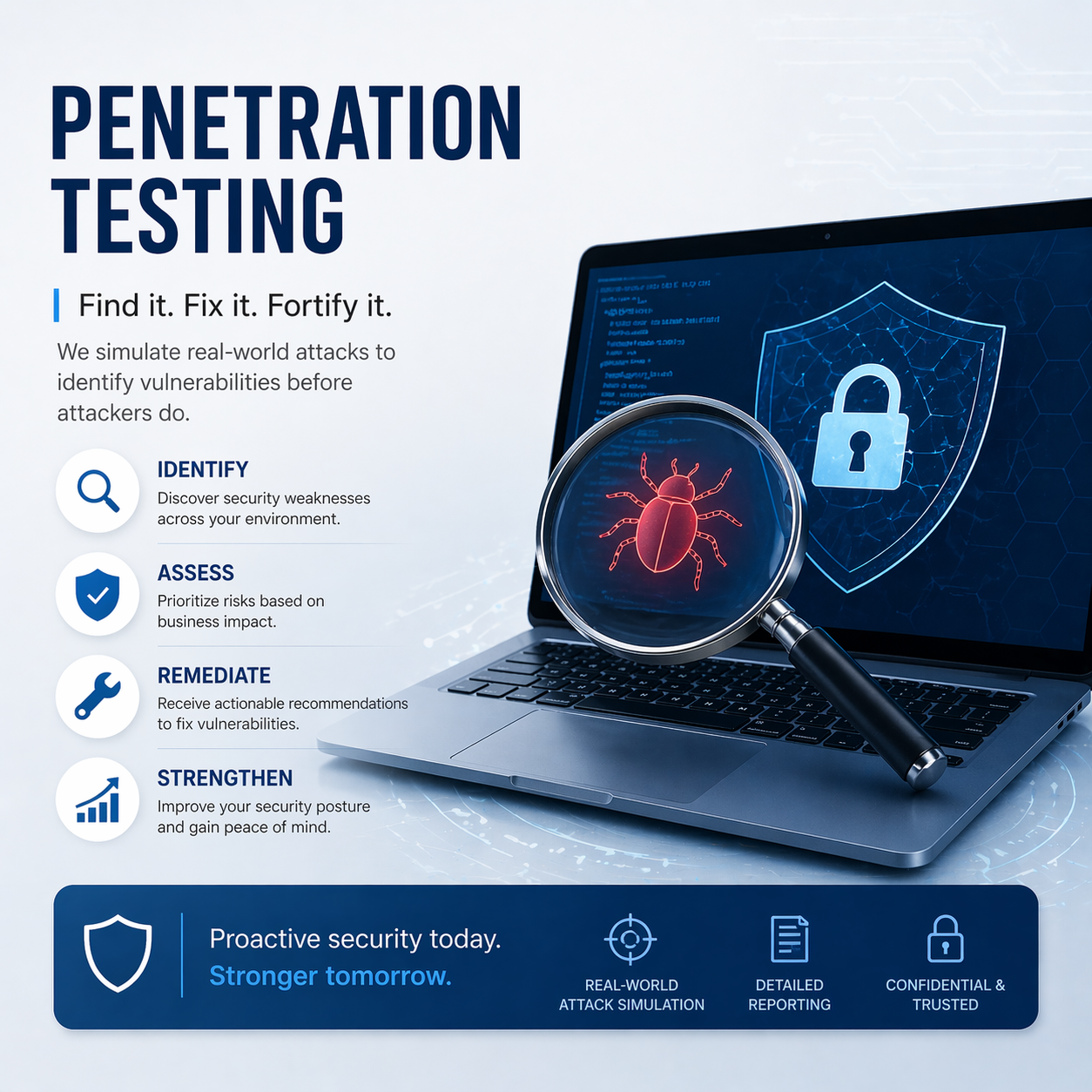
In the popular imagination, the climax of a penetration test is the “break-in”—that cinematic moment where a security professional bypasses a firewall or exfiltrates a database. However, for the Senior Cybersecurity Strategist, the exploit is merely a prologue. The true value—and the greatest latent risk—is orchestrated in the aftermath: the documentation and reporting phase.
If the hack is the climax, the documentation is the weapon. Handled correctly, it is a tool for systemic fortification; handled poorly, it is a strategic liability. The following insights, distilled from the Certified Lead Pen Test Professional framework, reveal why the discipline of the “fix” is far more critical than the thrill of the “find.”
1. The 200-Page Strategic Liability: Why More Information Stagnates Progress
It is a common executive fallacy to measure the ROI of a penetration test by the thickness of the final report. In reality, a massive, unprioritized document is a failure of leadership. It weaponizes data against the reader, creating an illusion of activity that ultimately obfuscates actual risk and leads to organizational paralysis.
A professional report is not a technical data dump; it is a meticulously engineered communication. To ensure clarity, a Lead Penetration Tester applies three distinct proofreading levels derived from the professional framework:
- The General Level: Does the report convey an understandable central message? Is there a high-level executive summary?
- The Paragraph Level: Does each section follow a logical sequence with a central idea supported by sufficient—but not burdensome—info?
- The Sentence Level: Are the findings delivered via an active structure? Professional reporting utilizes action verbs and clear actors to eliminate the ambiguity of passive phrasing.
As the framework explicitly warns:
“However, there is no use of producing an assessment report of 200 pages which will never be read.”
Clarity orchestrates corrective solutions. Bulk merely ensures the report will sit on a shelf, providing no defense against the next breach.
2. The Blueprint for Destruction: The Irony of the Secure Report
There is a profound irony in our industry: the very document designed to save an organization is the most dangerous weapon a threat actor could possess. Because a professional report details explicit technical vulnerabilities and “weak points,” it serves as a literal “how-to” guide for compromising the enterprise.
Because this document is so volatile, its distribution must be strictly governed. The framework establishes absolute non-negotiables for the transmission of findings:
- Under no circumstances should a report be sent from an external email address in clear text.
- Under no circumstances should findings be sent via standard post or courier without pre-agreed secure mechanisms.
It is the professional duty of the tester to ensure delivery via encryption or secure mail services. The transition of the report from the tester to the client is the most vulnerable moment of the entire engagement; mishandling this “blueprint for destruction” can destroy a company more effectively than the vulnerabilities it intended to fix.
3. Who Guards the Guardians? The Necessity of Upward Peer Review
Because the report is a high-stakes document, the process of creating it must be governed by a rigorous hierarchy of quality management. Technical brilliance does not grant a tester immunity from oversight. While a Lead Penetration Tester reviews the work documents of their team to ensure compliance, the Lead’s own work cannot simply be signed off by a peer.
The framework dictates that a Lead’s work must be reviewed by another experienced Lead Penetration Tester. This ensures the hierarchy of quality control only moves upward, never laterally. This review verifies:
- Appropriateness: Were the procedures used reliable and relevant to the objectives?
- Sufficiency: Was enough evidence collected to support the conclusions?
- Objectivity: Are findings logical and factual, rather than subjective opinions?
As the framework notes:
“Quality review by peers is the key element in the process of penetration test quality management.”
4. The Client’s Right to Refuse: The Reality of Resource Prioritization
A common point of friction is the expectation that a penetration test should result in the immediate remediation of every identified flaw. However, the professional tester acts as a strategic advisor, not a dictator. The reality of business is that management has the sovereign right to “accept the risk.”
Management must classify action plans by order of priority, specifically where significant investments are required. The framework acknowledges this pragmatic reality:
“It is very unlikely that an organization accomplish all the improvements simultaneously.”
The tester’s role is to provide the guidance necessary for the client to document risk acceptance according to their own internal criteria. Every fix requires time, personnel, and capital; the Lead Tester ensures those resources are prioritized against the most serious risks first, rather than demanding an impossible, simultaneous overhaul.
5. Diplomacy as an ROI Multiplier: The “Soft” Side of the Master Hacker
The “lone wolf” hacker archetype is a relic of the past. In a modern professional framework, technical skill is only one-third of the competency puzzle. True competence is measured across three dimensions: Knowledge (Cognitive), Skill (Functional), and Attitude (Social).
A tester’s personal attributes are direct multipliers of the test’s ROI. A “diplomatic” tester ensures that the budget spent actually results in remediation rather than causing defensive IT staff to ignore findings. Key attributes for a Lead professional include:
- Diplomatic: Tactful in dealing with personnel to ensure findings are accepted.
- Decisive: Able to reach timely, logical conclusions during high-pressure engagements.
- Acting with Fortitude: The courage to report unpopular truths, even when they result in confrontation with stakeholders.
- Culturally Sensitive: Respectful of the client’s internal organizational culture.
A diplomatic and decisive tester is exponentially more effective than a purely technical one. They navigate the organizational landscape to ensure that findings are not just understood, but acted upon.
Conclusion: The Path to Maturity
Security is not an event; it is a discipline. Mature organizations are transitioning from “testing as a project” to a Continual Test Programme. This shift relies on a high level of automation and automated reporting to provide the early detection of anomalies required in today’s threat landscape.
As you evaluate your security posture, move beyond the theater of the “break-in” and look toward the discipline of the “programme.” Ask yourself: Is your current strategy built on the thrill of the “find,” or the discipline of the “fix”? The answer determines whether your organization is merely being tested, or is actually becoming secure.